
his guide explains how to prepare for a heart stress test, including what to do in the 24 hours before your appointment, dietary and medication considerations, what to wear, and what to expect during and after the procedure. By following these preparation steps and your doctor’s instructions, you can help ensure accurate results and feel more confident throughout the testing process.
Your Comprehensive Guide on How to Prepare for a Heart Stress Test
Medical Solutions Center
Receiving an order for a heart stress test can feel a little daunting. Your mind might race with questions about the procedure, the results, and most immediately, what you need to do to prepare. The good news is that preparing for a cardiac stress test is a straightforward process designed to ensure the most accurate results possible.
This comprehensive guide will walk you through every step, from the 24 hours before your appointment to what you should wear on the day. Following these steps, along with your doctor's specific instructions, will help you feel confident and ready for your test.
First, What Is a Heart Stress Test?
A heart stress test, also known as an exercise stress test or treadmill test, helps doctors understand how your heart performs under physical stress. By making your heart pump harder and faster, the test can reveal potential problems with blood flow within the heart that might not be apparent at rest.
Your doctor may order a stress test for several reasons, including:
To diagnose coronary artery disease (CAD), where plaque builds up in your arteries.
To determine the cause of symptoms like chest pain, shortness of breath, or a rapid heartbeat.
To assess the effectiveness of a current treatment plan for heart disease.
To help determine a safe and effective exercise level for you.
There are a few different types of stress tests, including the standard exercise stress test on a treadmill, a nuclear stress test which involves a small amount of radioactive tracer and imaging, and a stress echocardiogram which uses ultrasound. While the core preparation is similar, your doctor will provide details specific to the type of test you're having.
The Golden Rule: Always Follow Your Doctor’s Specific Instructions
Before we dive into the details, it's crucial to state the most important rule: this guide is for informational purposes and should not replace the direct advice from your healthcare provider. Your doctor's office will give you a specific set of instructions tailored to your health history and the exact type of test you are undergoing.
If you have any confusion about medications, fasting, or any other part of the preparation, do not hesitate to call your cardiologist's office. They are there to help you and ensure the test is conducted safely and effectively. Trustworthy medical care is a partnership, and your questions are a vital part of that process.
24 Hours Before Your Stress Test: Key Preparations
The 24-hour window before your appointment is the most critical preparation period. What you eat, drink, and do during this time has a direct impact on the accuracy of your test results.
Food and Drink: The Caffeine and Fasting Rules
One of the most common and important instructions is to avoid all sources of caffeine for a full 24 hours before your test. Caffeine can interfere with the results, particularly if you are having a chemical stress test where medication is used to stress the heart.
Be vigilant about avoiding:
Coffee (including decaf, which still has small amounts)
Tea (black, green, and white)
Sodas and energy drinks
Chocolate (in all forms)
Certain pain relievers that contain caffeine (check the label)
You will also likely be asked to fast, meaning you should not eat or drink anything (except sips of water) for at least four hours before the test. This prevents you from feeling nauseous during exercise and ensures clear imaging if that is part of your test. Always confirm the exact fasting time with your doctor.
Medication Management: What to Stop and What to Continue
This is another area where your doctor's specific guidance is essential. Certain medications can mask the signs of heart problems during a stress test, so you may be asked to skip a dose on the day of your test.
Common medications that may be temporarily stopped include:
Beta-blockers: (e.g., metoprolol, atenolol) which slow the heart rate.
Nitrates: (e.g., nitroglycerin, isosorbide) which can improve blood flow.
Certain asthma inhalers: As they can affect heart rate.
Never stop taking any prescribed medication without explicit instructions from your doctor. Make sure your doctor has a complete and updated list of all your medications, including over-the-counter drugs and supplements, to provide the most accurate advice.
The Day of Your Test: What to Wear and Bring
On the day of your appointment, your focus should be on comfort and being prepared. The goal is to allow you to exercise as best as you can without any distractions.
Choose the Right Clothing
You will be moving, so dress as if you are going to the gym for a light workout. Your outfit should be:
Comfortable and Loose-Fitting: A two-piece outfit like a t-shirt and sweatpants or athletic shorts is ideal. This allows for easy placement of EKG electrodes on your chest.
Supportive Footwear: Wear comfortable walking or running shoes. Avoid sandals, heels, or boots. You need stable, supportive shoes to walk safely on the treadmill.
For Women: A comfortable bra, like a sports bra, is recommended. Avoid underwire bras as the metal can sometimes interfere with the EKG imaging.
What to Pack for Your Appointment
You won't need much, but having a few key items will make the process smoother.
A list of your current medications and dosages.
Your insurance card and a form of identification.
If you use an inhaler for breathing problems like asthma or COPD, bring it with you to the test.
A bottle of water and a light snack (like a granola bar or piece of fruit) for after the test is complete.
What to Expect During the Stress Test Procedure
Knowing the step-by-step process can help ease any anxiety. A technician or nurse will be with you the entire time to guide you and monitor your health.
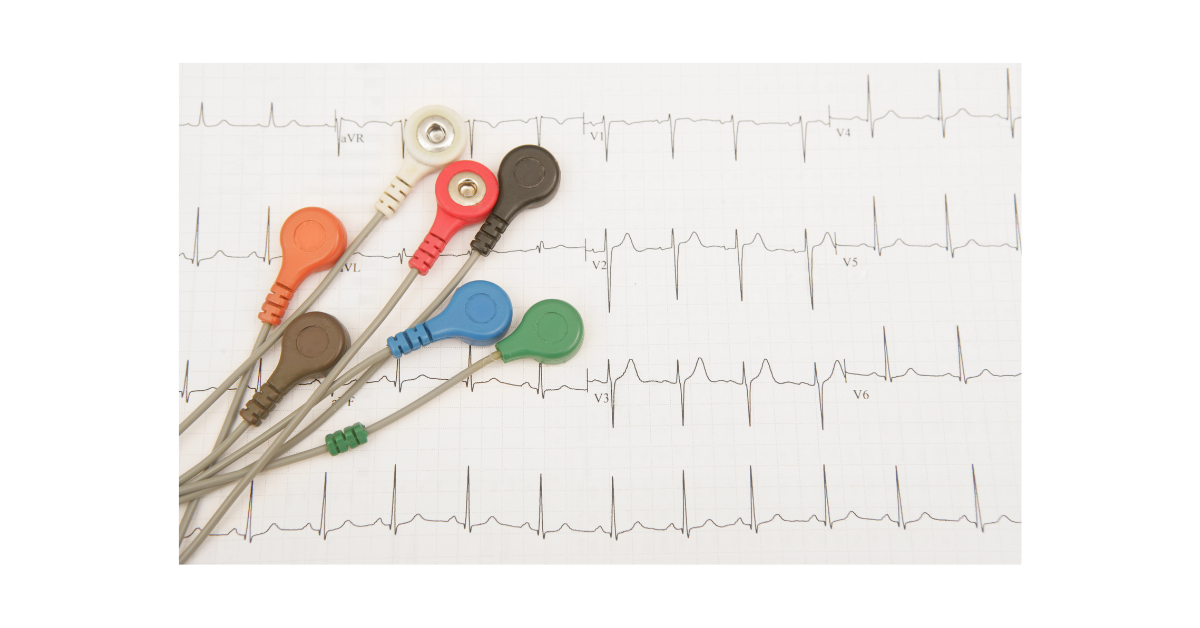
First, a technician will place several sticky patches called electrodes on your chest, arms, and legs. These are connected to an electrocardiogram (EKG) machine that records your heart's electrical activity. A blood pressure cuff will be placed on your arm to monitor your blood pressure throughout the test.
You will then start walking on a treadmill or pedaling a stationary bike at a slow, easy pace. Every few minutes, the speed and incline of the treadmill will be gradually increased to make your heart work harder. The team will be monitoring your EKG, heart rate, blood pressure, and any symptoms you experience.
It is vital to communicate how you are feeling. Tell the technician immediately if you experience chest pain, dizziness, severe shortness of breath, or any other unusual symptoms. The test will be stopped if you become too uncomfortable or if the monitoring shows any concerning changes.
After Your Heart Stress Test
Once the exercise portion is over, you will be monitored for a short period as your heart rate and blood pressure return to their resting levels. Most people are able to go home and resume their normal daily activities right away.
Your cardiologist will analyze the results from your EKG, blood pressure, and heart rate response. They will schedule a follow-up appointment to discuss the findings with you and determine the next steps in your healthcare plan. You've successfully completed an important step in managing your heart health.